FAQs

Frequently Asked Questions


  • We are a Licensed, Bonded, Insured, and Lead Certified Company.

    We are not afraid to display our license information.

    By Oregon Law, you are required to show your CCB Licence on all marketing information.

    Here is ours:

    OR CCB 195452

    LBPR 195452

    Bonded for $15,000

    Insured for $1,000,000

    Workers Compensation for our workers


  • For residential work, more and more homeowners and tenants are choosing to use painting contractors rather than doing the work themselves. This is to save time and labor, and to achieve the best possible job.

    When assessing a paint job, the potential do-it-yourselfer should consider such things as:

    • How much surface preparation is needed and will I have the time to do it?
    • Will I be able to do the more demanding aspects of the job such as climbing ladders, moving furniture, etc.?
    • Will I be able to live with a room or area left unfinished when I am called away, return to my regular job, etc.?

    When considering which contractor to utilize, be sure to do or determine each of the following:

    • Talk with several contractors and get quotes from each. Ask about insurance and bonding.
    • Determine what will be done for each type of area (any wood trim, stucco, aluminum siding, walls of each room, etc.) for:
      • Surface preparation
      • Priming; what primer (type and brand) will be used?
      • Finish coat: Type of paint and brand, where the brand fits into the manufacturer's line (premium, first, second, economy, contractor's grade, etc.), and how many coats?
    • For exterior work, what will be done to protect plantings? For interior work, what will be done in regards to moving and/or protecting furniture?
    • When will the work be started? Finished? How many painters will be working on the job? What will the remedy be if the job is not completed on time?
    • What is the warranty on the work? What is the length of time, the type of failures covered, and the remedy if there is a paint failure?
    • Get names of previous customers from each contractor as references, and contact them to get their recommendation.
    • Note whether the contractor was courteous and business-like, punctual with appointments or in returning phone calls, quality-oriented, experienced, and generally interested in doing business with you.

    Once you have all of this information on each contractor and their asking price, you can use it to make an informed decision on which one to choose for your job.

  • We have been in the painting industry for more than 15 years.

    We are not a company built on 2-3 years worth of experience calling ourselves painters.

    We have painted many different structures in the Portland Metro Area, including Commercial and Residential.

    We have many happy customers who are more than willing to give us commendations for our work.

    We are a customer service driven company where our Customers are our Top Priority!

  • Proper materials are the key to successful do-it-yourself renovations. Painting projects, from retouching stains to creating an entirely new color scheme, are among the most common, easiest, and fastest renovations. For best results, homeowners need to choose between two basic types of paint: oil-based and latex.

    Painting Basics


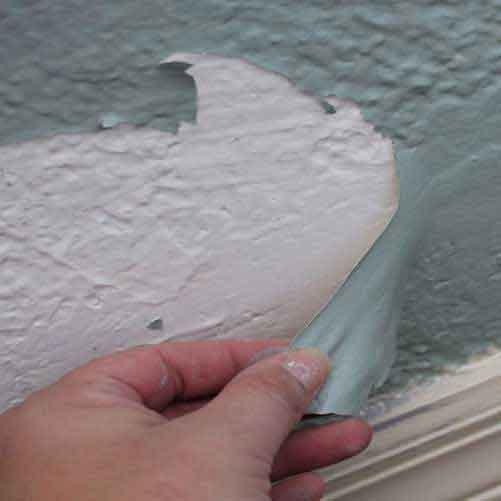
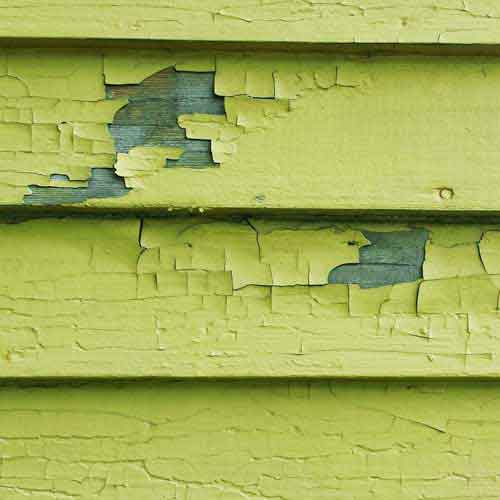
    Before deciding which paint to use, homeowners need to consider the differences between exterior and interior paints. Oil-based and latex paints are both available in exterior and interior varieties. interior paints are highly stain-resistant and can be scrubbed. They are also easy to touch up and provide good coverage over stains. exterior paints are formulated to be resistant to fading and mildew, and they can expand and contract with different weather conditions. Because exterior paints are semi-porous they are less likely to flake, but if the surface is not properly prepared, they can crack and peel easily.

    To prepare a surface for repainting, it should be clean and primed. Primer is a preliminary coating that evens out the surface, covers heavy stains, and allows paint to stick properly and evenly. If the new paint is a radically different color than the old or the two paints are different types, primer is vital to insure a successful project. If the colors are similar, the wall is sound, and the paint type is the same, priming may not be necessary.

    Both oil-based and latex paints are available in different price ranges. Generally, more expensive paint is of a higher quality and will provide better coverage with less peeling, flaking, or fading. Price should never be used as the solitary factor for a decision, however. Projects should be evaluated individually for the best paint to achieve the desired result.

    Oil-Based Paints

    Oil-based paint has a high gloss, shiny finish. It is durable and stain resistant, making it an excellent choice for areas that are susceptible to frequent stains, such as kitchens, bathrooms, and household trim. The paint is slow-drying (12 – 48 hours), and is easily marred before it is dry. Because of the glossy finish, imperfections are easily noticed. Additionally, oil-based paint emits flammable fumes and spilled paint is difficult to clean up. Paint thinner or other solvents are necessary for cleaning brushes, spills, and other mishaps. If the painting surface is not well prepared, oil-based paint flakes. To determine if old paint is oil-based, break off a chip and try to bend it: if it snaps readily, it is oil-based paint.

    Latex / Acrylic Paints

    Latex paint is popular with amateur painters and do-it-yourselfers because it is easy to use and cleans up readily with soap and water. Acrylic resins in the paint provide even coverage and emit less odor than oil-based paints. Because it is thin, latex paint readily shows brush strokes, but it dries in only a few hours and multiple coats can be applied in a single day. On the other hand, latex paint takes weeks to properly cure and is easy to stain and damage during that time. Latex paint is available in a variety of finishes, from flat paint (no gloss) to a high gloss finish, and homeowners can choose different finishes to add texture and contrast to a project. A chip of latex paint will bend rather than snap, but always consult a painting professional if there is any doubt about the type of paint.

    While all paints share certain qualities, oil-based and latex paints are distinctly different, and homeowners should base their selection on the qualities needed for a specific project. By understanding the differences between paints and choosing the best one for the job, even the most difficult painting project can potentially become a masterpiece.

  • We offer 2 types of warranty for our customers.

    1st: 3 Year Warranty on exterior Workmanship.

    This warranty applies to our 2nd tier quality of paint for example: Sherwin Williams A100

    FAQ's


    2nd: 5 Year Warranty on exterior Workmanship.

    This warranty applies to our 1st tier quality of paint, for example: Sherwin Williams SuperPaint, Resilience, Duration, and all Benjamin Moore Paints

    FAQ's

    If there is product failure, we will follow the Manufacturers Warranty.

    The product warranty is stated on the product itself. There are some restriction which apply to each manufacturer, please read all warranty specifications stated on the product label. Please see example below.

    FAQ's

  •  

    We use High Quality primer to ensure maximum adhesion and durability of the paint.

    Primer Solution Tintable Color Primer exterior Latex Primer exterior Oil Primer
           
    interior or exterior interior / exterior exterior exterior
    Oil or Latex Latex Latex Oil
    Primary Feature Base coat under brilliant, vivid or deep colors on the front door or shutters Whole house primer Blocks tannin bleen
           
    exterior Problems      
           
    Weathered aluminum   FAQ's  
    Vinyl siding   FAQ's  
    Sealing new wood   FAQ's FAQ's
    Tannin block on new redwood and cedar     FAQ's
    Sealing stucco & masonry surfaces   FAQ's  
    Kills stains and hide marks   FAQ's FAQ's
    Calcium efflorescence on stucco   FAQ's  
    Hardboard siding   FAQ's FAQ's
    Cement board siding      
    Under dark or brilliant top coats FAQ's FAQ's  
 

Give us a review


Contact Detail

Phone Icon (503) 989-7413

We Proudly Accept:

Privacy Policy | Terms and Conditions